
Search Arizona Booking Reports
Booking reports in Arizona come from county sheriffs who run jail facilities across the state. When someone gets arrested in Arizona, the sheriff creates a booking record with the person's name, date of birth, charges, and bond amount. You can search booking reports online through county inmate portals or request records from the sheriff's office where the arrest happened. The Arizona Department of Public Safety tracks criminal history at the state level, but local sheriffs maintain the booking information. Each of the 15 counties in Arizona uses its own system for booking reports and jail records.
Arizona Booking Reports Quick Facts
Where to Find Arizona Booking Reports
Booking reports in Arizona come from two main sources. County sheriffs create and keep booking records when they book people into jail. These records show arrest details, booking numbers, charges filed, bond amounts, and court dates. Each county sheriff maintains its own booking records for arrests in that county. The second source is the Arizona Department of Public Safety, which runs the Central State Repository. DPS keeps criminal history records for all arrests reported by Arizona law enforcement. The state repository holds over 3 million active criminal history records and processes 2.7 million requests each year.
Most people search for booking reports at the county level. County sheriffs offer online inmate search portals where you can look up current inmates by name or booking number. These portals work for free and do not need registration in most counties. For older booking records or detailed reports, you request them from the sheriff's records division. Maricopa County Sheriff's Office handles the most bookings in Arizona with over 100,000 bookings processed annually at their Intake, Transfer, and Release facility in Phoenix.
The Arizona Department of Public Safety criminal history records division maintains statewide arrest information under Arizona Revised Statutes § 41-1750. DPS does not retain local incident reports from county and city police, but they collect fingerprints and disposition data from all Arizona criminal justice agencies. The repository operates 24/7 and serves as the central location for collecting, storing, and sharing criminal history records in Arizona.
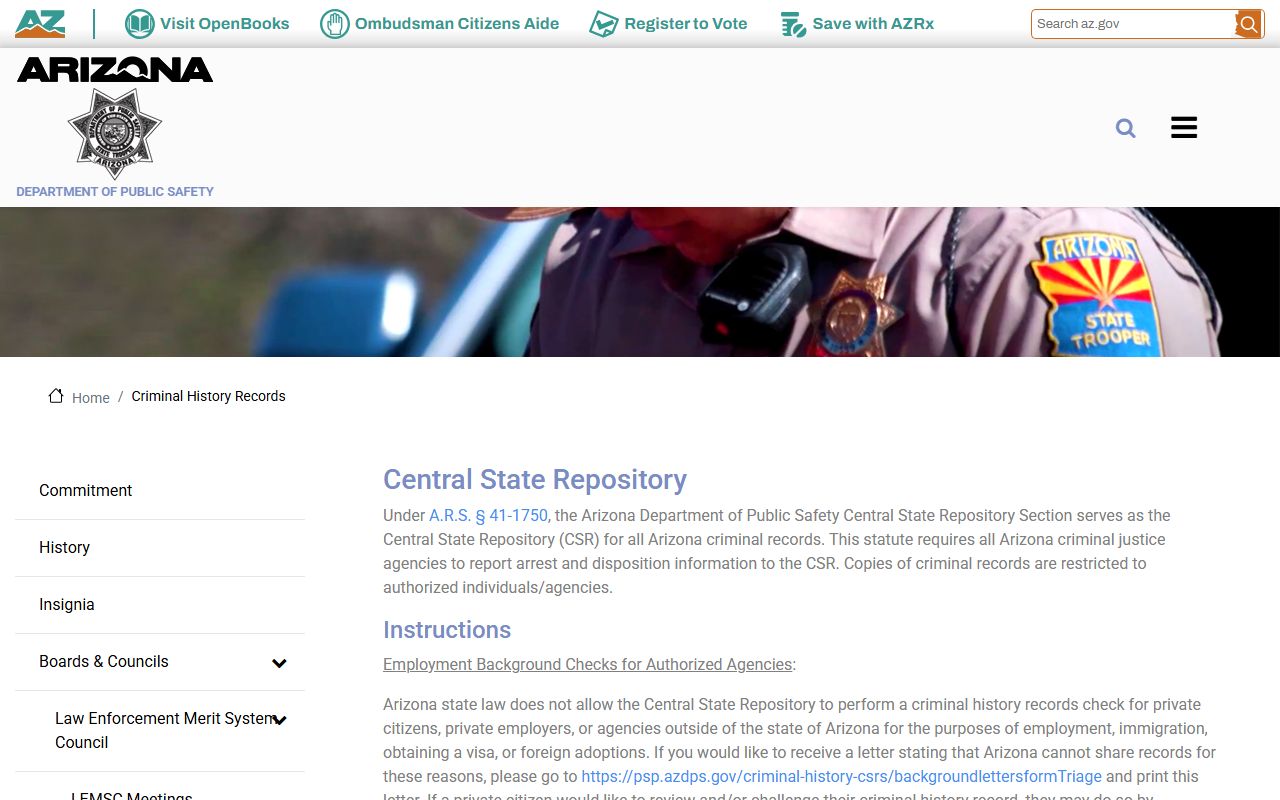
DPS provides criminal history records for employment screening, licensing boards, and authorized agencies through their Public Services Portal. Individual citizens cannot run criminal background checks on others through DPS under Arizona state law. For booking reports on specific people, contact the county sheriff where the arrest occurred. State prison inmates appear in the Arizona Department of Corrections inmate search for those serving sentences in state facilities.
How to Search Booking Reports in Arizona
Arizona offers several ways to search for booking reports. Online inmate search portals work best for current inmates. Most county sheriffs run free search tools on their websites. Enter a name or booking number to see custody status, charges, and bond information. These portals show inmates currently held in county jails. They do not show historical booking records for people who were released.
Maricopa County Sheriff's Office runs an inmate search at their website that covers Phoenix and surrounding cities. The portal shows booking numbers, charges, and court dates for current inmates. Following a federal court ruling in Houston v. Maricopa County in 2024, MCSO no longer displays mugshots online. Other counties still show booking photos depending on their policies. Pima County Sheriff in Tucson and Pinal County Sheriff in Florence also offer online inmate lookup tools that work without fees or registration.
To request older booking reports or detailed arrest records, contact the county sheriff's records division. You can submit requests through the Arizona DPS public records request system for state-level criminal history or go directly to the county sheriff for local booking reports. Most counties accept requests online, by email, in person, or through the mail. Processing times vary from same-day for simple searches to 15-30 business days for detailed reports requiring staff review.
Some counties use records request portals like GovQA, NextRequest, or GovTransfer. Pinal County uses GovTransfer where you create an account, submit your request, and track its status online. Payment happens through the portal after staff calculate the total cost based on how many pages you need.
Arizona Court Records and Case Information
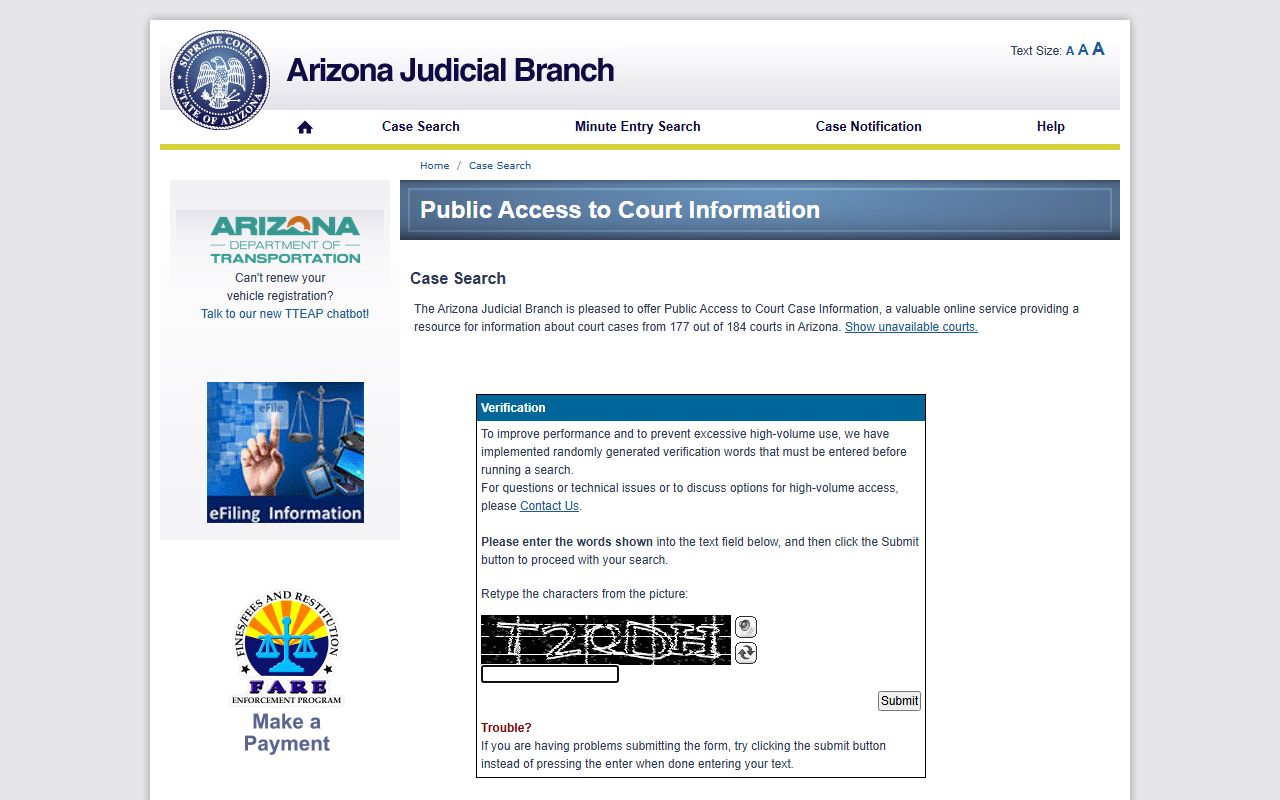
Booking reports differ from court records. A booking report shows the arrest and initial charges. Court records show what happened in the case after filing. Arizona Courts offers a public access portal that covers 177 of 184 courts in the state. You can search by name or case number to find criminal and traffic cases. The portal displays case events, outcomes, payment status, and charge details. This helps when you need disposition information to go with booking reports from county sheriffs in Arizona.
Visit the Arizona Courts public access case lookup portal to search court records statewide. The system works for free. It shows cases from superior courts, justice courts, and municipal courts across Arizona. When you combine court records with booking reports from the sheriff, you get a complete picture of arrest and case outcome.
Court records stay public unless sealed by a judge. Booking reports from sheriffs also remain public under Arizona's open records laws. You do not need to explain why you want the records in most cases.
Note: Court records show case dispositions while booking reports from sheriffs show arrest details.
Arizona Laws for Booking Reports and Criminal Records
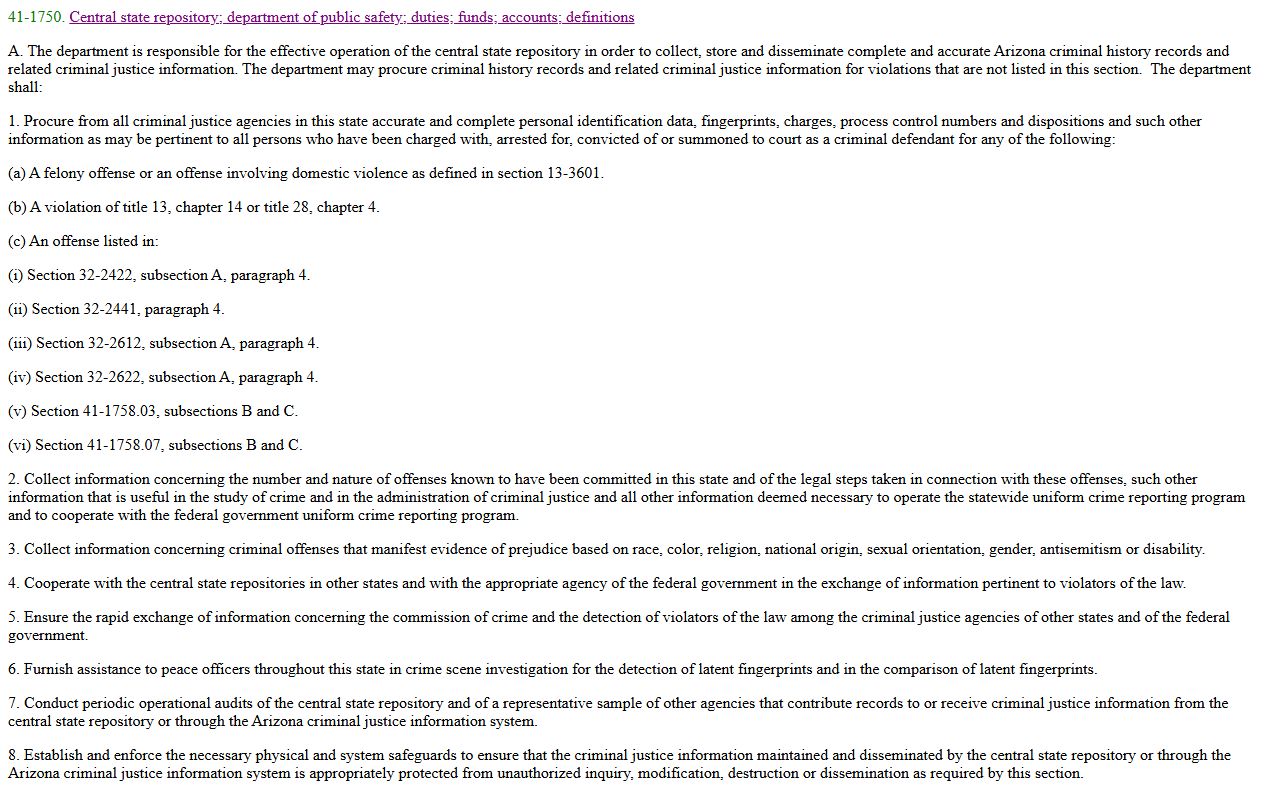
Arizona Revised Statutes set the rules for booking reports and criminal history records. A.R.S. § 41-1750 creates the Central State Repository within DPS. This law requires all Arizona criminal justice agencies to report arrest and disposition data to the state repository. Sheriffs must submit fingerprints and booking information for felonies, domestic violence offenses, sexual crimes, and DUI arrests. Disposition reports must reach DPS within 40 days of case completion.
The statute defines who can access criminal history records in Arizona. Law enforcement agencies, courts, prosecutors, and certain licensing boards get direct access. Private employers cannot request criminal background checks through DPS for most positions. Immigration attorneys and visa applicants also cannot use the DPS system under current Arizona law. County sheriffs maintain their own booking records separately from the state repository and handle public requests under different procedures.
Arizona's public records law appears in Title 39 of the state code. A.R.S. § 39-121 says public records shall be open to inspection by any person at all times during office hours. This creates a legal right to view and copy booking reports from county sheriffs. A.R.S. § 39-121.01 requires agencies to maintain records necessary for accurate knowledge of official activities and to furnish copies promptly when requested. Custodians may charge reasonable fees for copying and staff time.
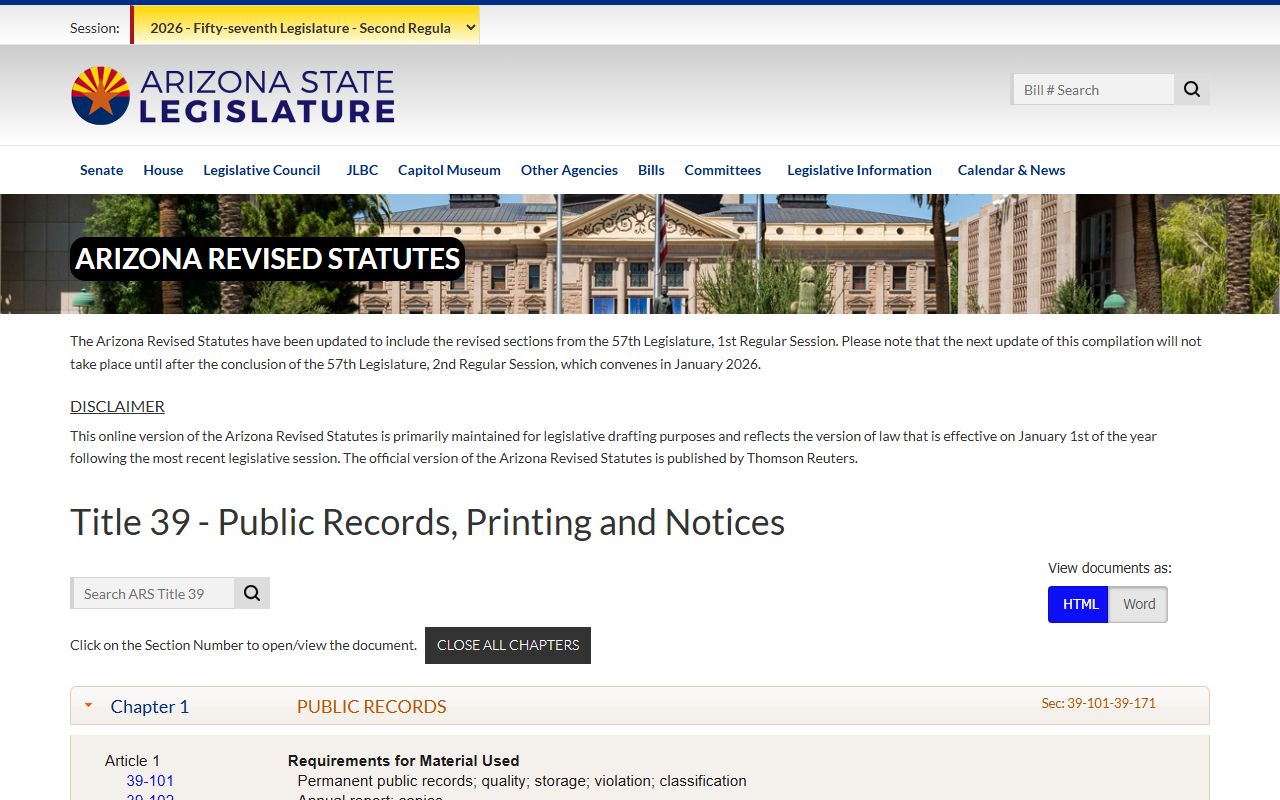
A.R.S. § 39-121.03 addresses commercial use of public records. Requests for commercial purposes require a statement explaining how you plan to use the records. Agencies can charge additional fees for commercial requests that include the cost of obtaining documents, reasonable fees for time and materials, and the commercial market value of reproduction. Misuse of records obtained for non-commercial purposes can result in triple damages plus attorney fees in Arizona.
Crime victims receive special treatment under Arizona law. A.R.S. § 39-127 gives victims one free copy of incident reports. Sheriffs and police departments must provide this copy without charge when the victim requests it.
County Sheriff Booking Records
All 15 Arizona counties maintain booking reports through their sheriff's offices. When deputies or city police arrest someone, they transport that person to the county jail for booking. The sheriff processes the booking, takes fingerprints, photographs the person, and creates a booking record. This record includes the booking number, full name, date of birth, physical description, arrest date and time, arresting agency, charges filed, bond amount, and court appearance dates for that arrest in Arizona.
County sheriffs keep these booking records in their records divisions. You can request copies by contacting the sheriff directly. Most counties charge fees based on Arizona Revised Statutes, typically around $0.25 per page for paper copies. Digital media like CDs or DVDs cost between $5.00 and $15.00. Body camera footage often costs more due to the staff time needed to review and redact protected information before release in Arizona.
Large counties like Maricopa, Pima, and Pinal have formal public records units that handle hundreds of requests each month. Smaller counties may have one or two staff members who process records requests along with other duties. Processing times depend on the county's workload and how complex your request is. Simple inmate lookups by booking number might take minutes, while broad searches covering multiple years could take weeks in Arizona.
Each sheriff sets their own procedures for requesting booking reports. Some use online portals, some accept email requests, and others require written forms submitted by mail or in person. Check with the specific county sheriff where the arrest occurred to learn their current process. Contact information and request procedures appear on each county's page on this site for all Arizona sheriffs.
Fees for Booking Reports in Arizona
Fees vary by county and type of record. Standard copying fees run about $0.25 per page under Arizona law. A typical booking report might be 5 to 20 pages, so costs range from $1.25 to $5.00 for basic reports. Some counties charge flat fees for certain reports. Pima County charges $5.00 for reports up to 20 pages. Pinal County charges $7.50 for police reports up to 25 pages. Additional pages beyond those limits cost $0.25 each in most Arizona counties.
Digital media costs more than paper. CDs with photos cost $5.00 to $15.00 depending on the county. Body camera footage requires staff review time to redact faces and personal information. Counties charge $46.00 per hour of video reviewed. A ten-minute body camera clip might take an hour to review and redact, so expect costs of $46.00 or more for video from Arizona sheriffs.
Commercial use requests cost more. If you plan to use booking reports for business purposes like background screening services or data compilation, Arizona law allows counties to charge additional fees. Pima County adds $50.00 to commercial requests. You must state your purpose when making the request. Lying about commercial use can result in triple damages if the county takes legal action in Arizona.
Payment methods differ by county. Most sheriffs accept money orders, cashier's checks, and business checks. Some counties take credit and debit cards through online portals. Maricopa County Sheriff does not accept personal checks, debit cards, or credit cards for records requests. Pima County accepts Visa and MasterCard through their online payment system called Clover. Check the county's website or call before sending payment to confirm what methods they accept in Arizona.
Crime victims get one free copy of incident reports under state law. If you are a victim, tell the sheriff's office when making your request. Provide your case number and victim status. The office will waive fees for your first copy of the booking report or incident report in Arizona.
Ways to Request Booking Reports
Online requests work through county portals or email. Many counties use systems like GovQA, NextRequest, JustFOIA, or GovTransfer. Create an account, fill out the request form, describe what records you need, and submit. Staff review the request and send you an invoice. Pay online and they mail or email the records. This method tracks your request from start to finish so you can check status anytime in Arizona.
Email requests go to the sheriff's public records email address. Write a clear message stating what booking reports you need. Include the person's full name, date of birth, booking number if you know it, and approximate arrest date. Give your mailing address and phone number. Staff will respond with the cost and payment instructions. Allow 15 to 30 business days for processing depending on the county in Arizona.
In-person requests work at the sheriff's office during business hours. Bring details about the person and arrest. Most counties operate Monday through Friday from 8:00 AM to 5:00 PM. Some close for lunch or have shorter windows for public service. Call ahead to confirm hours and what information you need to bring. You can view records for free at some counties, then pay only for copies you want. Bring exact change or a money order since not all offices take cards in Arizona.
Mail requests require a written letter or completed form. Download the public records request form from the county sheriff's website if they have one. Fill it out completely. Include a check or money order for the estimated cost if you know it, or ask them to invoice you. Mail to the address listed on their website. Include your return address and phone number so they can contact you about fees and delivery. Mail requests take longest due to postal delays on both ends in Arizona.
Phone requests work for simple questions about current inmates. Call the sheriff's inmate information line to check if someone is in custody. Staff can tell you the booking number, charges, and bond amount over the phone. Formal requests for copies of booking reports cannot be completed by phone. You must submit a written request through one of the other methods for Arizona sheriffs.
Browse Arizona Booking Reports by County
Each county sheriff in Arizona maintains booking records for arrests in that county. Select a county below to find local contact details, online portals, fees, and request procedures for booking reports from that sheriff's office.
Booking Reports in Major Arizona Cities
Residents of major Arizona cities file booking reports through their county sheriff. City police make arrests and transport people to county jails for booking. Pick a city below to learn about booking reports for arrests in that area.